Vascular
Lipedema
A condition that causes excess fat to accumulate in the lower part of the body, leading to heavy and painful legs.
Lipedema is a chronic fat distribution disorder that causes symmetrical enlargement of the legs, tenderness, easy bruising, and resistance to weight loss. It is frequently underdiagnosed and confused with obesity or lymphoedema.
Book a Consultation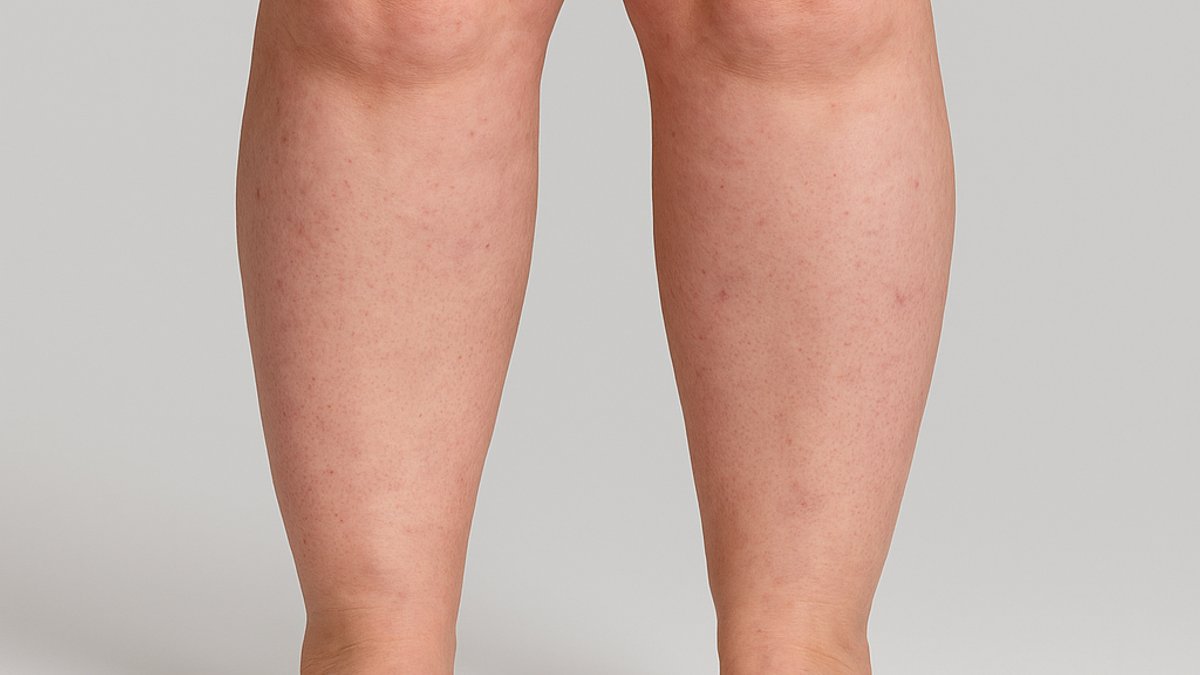
Lipedema is often misdiagnosed as standard weight gain, but it is a distinct condition that causes painful, symmetrical fat accumulation in the limbs.
Lipedema: Not Just Weight, and Not in Your Head
Lipedema is a distinct disorder of the way fat is laid down under the skin. It happens almost only in women, it is symmetrical — both legs, from the hips to the ankles, with the feet noticeably spared — and the affected tissue is tender, bruises easily, and does not respond to dieting the way ordinary fat does.
It is chronic, common, and badly under-recognised. Many women are told for years that they simply need to lose weight, and the disproportion between a smaller upper body and heavy legs is dismissed. Getting the right name for it is often the first genuine relief, because it changes what treatment makes sense and lifts an unfair burden of blame.
It is chronic, common, and badly under-recognised. Many women are told for years that they simply need to lose weight, and the disproportion between a smaller upper body and heavy legs is dismissed. Getting the right name for it is often the first genuine relief, because it changes what treatment makes sense and lifts an unfair burden of blame.

How to Tell It Apart from Obesity and Lymphoedema
Lipedema is frequently mislabelled. A few features separate it out.
- Versus obesity — lipedema fat is symmetrical, disproportionately in the legs and sometimes arms, tender to press, bruises with minor knocks, and resists diet and exercise while the trunk and feet stay relatively slim
- Versus lymphoedema — lipedema is bilateral and spares the feet, and the tissue is soft rather than firm; you can still pinch a fold of skin at the base of the toes
- They can overlap — long-standing lipedema can develop a secondary lymphatic component (lipo-lymphoedema), and obesity can coexist and worsen it
The Stages
Staging describes the skin and tissue rather than the pain, which can be significant even in early disease.
- Stage 1 — the skin surface is smooth, with an even increase in fat beneath
- Stage 2 — the skin develops dimpling and a nodular, mattress-like texture
- Stage 3 — large lobules of tissue form, giving a column-like shape to the legs
- Stage 4 — lipedema with added lymphoedema (lipo-lymphoedema)
Why It Happens
The two consistent threads are hormones and genetics. Lipedema most often starts or worsens at a hormonal milestone — puberty, pregnancy or the menopause — and it runs strongly in families, so a mother, aunt or sister with heavy, easily-bruised legs is a common story.
It is not caused by overeating, and it is not a failure of willpower. Excess weight can develop alongside it and make it harder to manage, which is why the two are addressed together rather than confused. In Singapore, as elsewhere, it is under-recognised in Asian women.
It is not caused by overeating, and it is not a failure of willpower. Excess weight can develop alongside it and make it harder to manage, which is why the two are addressed together rather than confused. In Singapore, as elsewhere, it is under-recognised in Asian women.
Diagnosis in Singapore
There is no blood test or scan that confirms lipedema; it is a clinical diagnosis based on the pattern — symmetrical, tender, diet-resistant leg fat with the feet spared — and the family history.
What we do add is a venous duplex ultrasound, because venous reflux frequently coexists and is treatable, and an assessment for any lymphoedema component. Distinguishing lipedema clearly from simple obesity and from lymphoedema is the point of the visit, because each has a different management plan. This assessment is available at Paragon Medical Centre on Orchard Road.
What we do add is a venous duplex ultrasound, because venous reflux frequently coexists and is treatable, and an assessment for any lymphoedema component. Distinguishing lipedema clearly from simple obesity and from lymphoedema is the point of the visit, because each has a different management plan. This assessment is available at Paragon Medical Centre on Orchard Road.

Management: Conservative First, Surgery for Function
There is no cure, but a consistent programme reduces pain, heaviness and progression.
- Daily medical-grade compression — flat-knit garments fitted for lipedema, not standard support stockings
- Manual lymphatic drainage and decongestive therapy for symptom relief and any lymphatic component
- Low-impact exercise — walking, cycling, and especially exercise in water — which improves mobility, pain and mood even though it does not melt the affected fat
- A whole-food, anti-inflammatory eating pattern to manage any coexisting weight and reduce flares
- Specialised liposuction (tumescent or water-assisted, by a lipedema-experienced surgeon) for significant pain or functional limitation that persists despite conservative care — it durably reduces volume and pain
Lipedema: Common Questions
Concerned About Lipedema?
Dr. Peter Chang offers specialist assessment and personalised management at Paragon Medical Centre, Singapore.