Skip to content
CardiologyPublished: May 2026Updated: 7 min read

Plaque, Atherosclerosis & Silent Heart Disease: What You Cannot Feel Can Still Kill You

The majority of cardiac events happen to individuals who felt healthy beforehand. Plaque accumulation progresses silently over many years, and the lesions most prone to breaking open are frequently only moderately narrowing the artery — not severely blocking it. Dr. Peter Chang explores how plaque develops, why symptoms appear late in the disease process, and what early detection options are available today.

PC

Dr. Peter Chang

Triple Board-Certified Cardiologist & Vascular Specialist
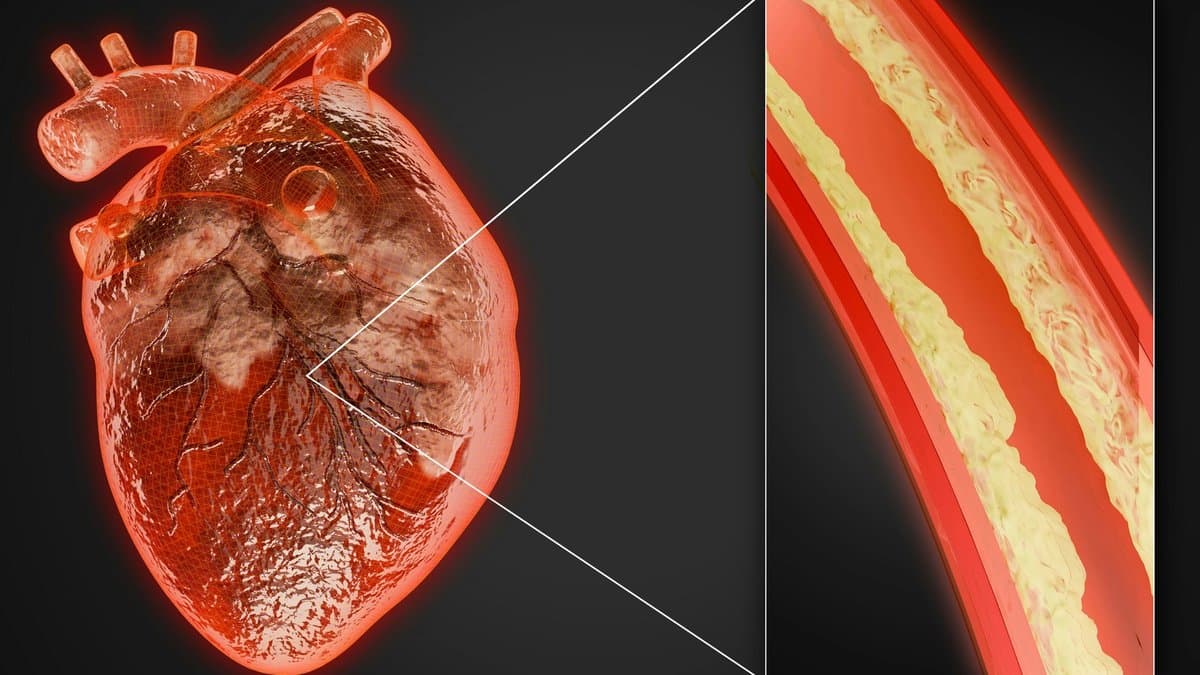
Plaque, Atherosclerosis & Silent Heart Disease: What You Cannot Feel Can Still Kill You

What Is Atherosclerosis?

Atherosclerosis involves the progressive build-up of plaque — composed of cholesterol, inflammatory cells, calcium, and fibrous material — inside arterial walls. The process begins with microscopic damage to the artery's inner lining (endothelium), caused by elevated LDL cholesterol, high blood pressure, smoking, diabetes, or persistent inflammation. Following endothelial injury, LDL particles penetrate the arterial wall. Immune cells accumulate, become filled with lipid material, and form foam cells — the foundation of nascent plaque. Throughout years, this mechanism progresses undetected: plaque expands, gathers calcium, develops a fibrous layer, and gradually reduces the arterial opening. The artery remodels outward as plaque accumulates, preserving an approximately normal inner diameter for extended periods. Blood circulates normally. The individual experiences nothing.

Why the First Symptom Is Often a Heart Attack

The most dangerous plaque is frequently not the most obstructive variety. Evidence shows that plaques prone to rupture typically narrow the artery by only 40–60%, not the severe 90% narrowing that produces chest pain on a stress test. Unstable plaques have a large fat-filled interior, a thin protective coating, and vigorous inflammatory activity. When the coating ruptures, the fat interior contacts blood, causing rapid clot formation — complete arterial closure — within minutes. This is a STEMI. Frequently, patients had no prior chest pain, no abnormal baseline ECG, and no positive stress test. The first warning was the heart attack itself. This is why conventional stress testing — excellent at finding flow-limiting narrowing — does not reliably identify those at greatest risk of sudden cardiac events.

Who Is at Risk of Silent Atherosclerosis?

Silent coronary disease affects more people than commonly recognised. The key cumulative risk factors are:
  • Elevated LDL cholesterol — the primary initiator of plaque formation and expansion
  • Hypertension — accelerates endothelial injury
  • Diabetes and insulin resistance — trigger inflammation and accelerate plaque development
  • Smoking — directly damages the endothelium and promotes clotting
  • Family history of premature coronary disease — a close relative with heart attack or coronary procedure before age 55 (men) or 65 (women)
  • Elevated Lp(a) — a genetically determined risk factor present in ~20% of the population, absent from routine cholesterol panels

Detecting Plaque Before a Heart Attack

Contemporary cardiovascular medicine provides several research-supported methods for identifying undetected atherosclerosis before symptoms develop. Coronary Artery Calcium (CAC) Scoring uses a low-radiation CT scan to quantify calcified plaque in coronary arteries — no contrast, no needles. A zero score carries very low cardiac event risk over the next decade and may support deferring statin therapy with close monitoring. Scores above 300 suggest substantial plaque burden and warrant intensive preventive therapy regardless of traditional risk profile. CAC is the single strongest non-invasive predictor of future cardiac events in asymptomatic individuals.

CT Coronary Angiography and Other Tools

CT Coronary Angiography (CTCA) provides superior anatomical visualisation of both calcified and non-calcified plaque, evaluates narrowing degree, and detects high-risk plaque characteristics including lipid-rich areas. CT-FFR can assess whether a lesion actually disrupts blood flow — without cardiac catheterisation. Carotid Intima-Media Thickness (IMT), measured via ultrasound, detects subclinical vascular disease in the neck as an indicator of systemic atherosclerosis. Lipoprotein(a) [Lp(a)] testing should be done at least once in anyone with early-onset heart disease, a strong family history, or unexplained high CAC despite well-controlled conventional risk factors.

What You Can Do

Atherosclerosis is not inevitable — it responds to early intervention. LDL reduction forms the foundation: statins decrease plaque expansion and critically stabilise unstable plaque by thickening the fibrous cap and shrinking the lipid core. Managing blood pressure, stopping smoking, controlling blood sugar, and maintaining a healthy weight address the primary mechanisms of endothelial injury. For individuals with elevated Lp(a), aggressive LDL management provides partial benefit while newer RNA-based therapies targeting Lp(a) are advancing through trials. The goal is preventing the first event entirely — not treating it after the fact.

When to Seek Assessment

A cardiovascular assessment with subclinical atherosclerosis screening merits consideration if you have any of the following: a close family member with heart attack or coronary procedure before age 60; a personal history of high blood pressure, diabetes, or high cholesterol; a previously elevated CAC score; persistently elevated cholesterol despite lifestyle changes; or unexplained breathlessness or fatigue without a clear non-cardiac explanation.

Frequently Asked Questions

Common Questions About Plaque, Atherosclerosis & Silent Heart Disease

Can you have serious heart disease without any symptoms?

Yes — this is the defining feature of atherosclerosis. The artery remodels outward as plaque accumulates, preserving normal blood flow until the disease is advanced. Up to 50% of first heart attacks occur in people with no prior symptoms, no known heart disease, and no abnormal stress test.

What is the best test to detect silent heart disease in Singapore?

Coronary Artery Calcium (CAC) scoring is the most validated, cost-effective screening tool for asymptomatic individuals. For those with symptoms or equivocal findings, CT Coronary Angiography (CTCA) provides more detailed anatomical information including non-calcified plaque.

Can atherosclerosis be reversed?

Established calcified plaque cannot be dissolved. However, statin therapy stabilises plaque, thickens the fibrous cap, shrinks the lipid core, and substantially reduces the risk of rupture. With intensive risk factor management, progression can be significantly slowed and in some cases halted.

What is Lp(a) and why does it matter?

Lipoprotein(a) is a genetically determined cardiovascular risk factor that is not measured in a standard cholesterol panel. It is elevated in approximately 20% of the population and substantially increases both plaque burden and the risk of plaque rupture. Everyone with premature heart disease, a strong family history, or unexplained high CAC should be tested for Lp(a) at least once.

At what age should I start screening for heart disease in Singapore?

For individuals with risk factors (family history, diabetes, hypertension, smoking, elevated cholesterol), cardiovascular screening should begin by age 40. For those with a strong family history of premature coronary disease, screening as early as 35 may be appropriate. Your cardiologist will recommend the most suitable screening strategy based on your individual profile.

↑ Back to top

Speak to Dr. Peter Chang

Specialist assessment and personalised management at Paragon Medical Centre, Singapore. Same-week appointments available.