Radiofrequency Ablation for Varicose Veins: What to Expect
Dr. Peter Chang
Triple Board-Certified Cardiologist & Vascular Specialist
Why Varicose Veins Develop
What Is Radiofrequency Ablation?
The Procedure: Step by Step
- Consultation and duplex mapping: A venous duplex ultrasound is performed to map the anatomy and identify which veins are affected and the extent of reflux
- Preparation: The skin is cleaned and tumescent local anaesthesia is injected along the length of the vein — this thoroughly numbs the area and protects surrounding tissue from heat
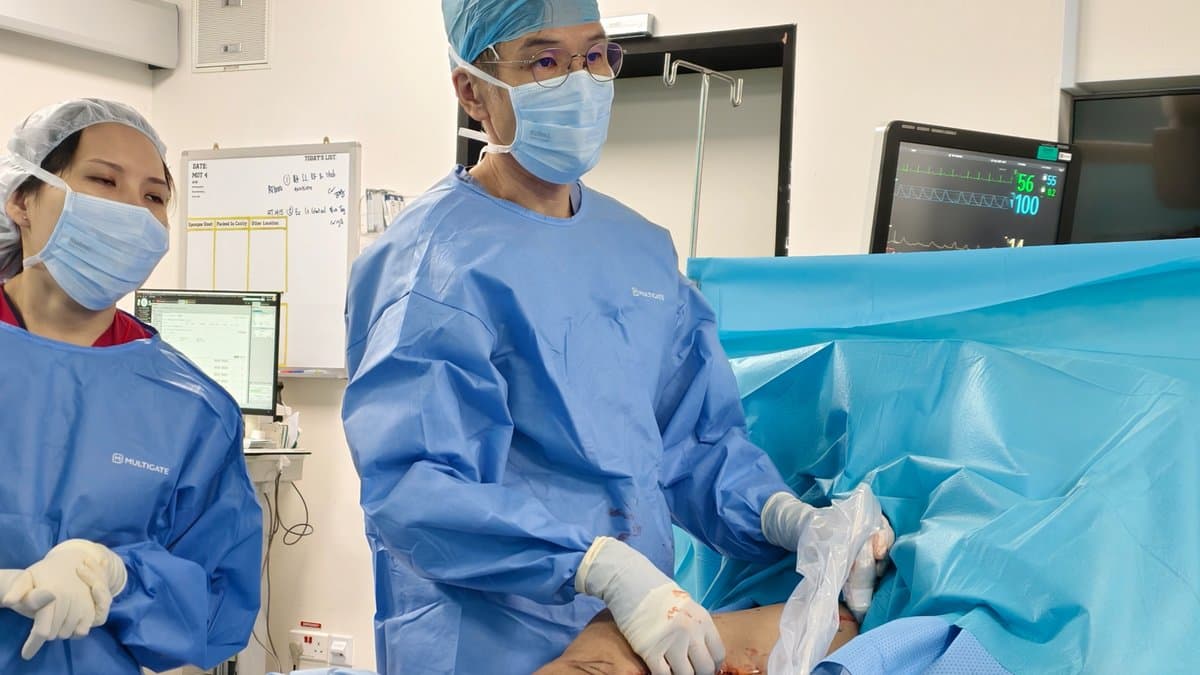
- Catheter insertion: Under ultrasound guidance, a thin catheter is inserted through a small puncture at the knee or calf (no incision, no sutures)
- Energy delivery: The catheter is slowly withdrawn while delivering radiofrequency energy, sealing the vein in controlled 7 cm segments
- Compression: A compression stocking is applied immediately after and worn for 1–2 weeks to support healing and minimise bruising
What to Expect During Recovery
How RFA Compares to Surgery
Who Is a Good Candidate?
Frequently Asked Questions
Common Questions About Radiofrequency Ablation for Varicose Veins
Is radiofrequency ablation for varicose veins painful?
The procedure is performed under tumescent local anaesthesia — the area around the vein is thoroughly numbed before ablation begins. Most patients feel only mild pressure or warmth during the procedure. Some experience temporary soreness or bruising along the treated vein in the days after, which is easily managed with paracetamol.
How long does radiofrequency ablation take?
A single leg typically takes 45–60 minutes. Both legs can be treated on the same day if clinically appropriate.
What is the long-term success rate of RFA?
Studies show vein closure rates exceeding 90% at 5 years, making RFA one of the most durable minimally invasive treatments for varicose veins.
Will my varicose veins come back after RFA?
The treated vein is permanently sealed and does not reopen. However, varicose vein disease can affect other veins over time. Some patients develop new varices years later, particularly if underlying risk factors — prolonged standing, obesity, family history — are not addressed.
Is radiofrequency ablation covered by insurance in Singapore?
Coverage varies by insurer and policy. Integrated Shield Plans (ISPs) frequently cover RFA for symptomatic varicose veins when deemed medically necessary. It is recommended to confirm coverage with your insurer and obtain pre-authorisation before the procedure.