Skip to content
VascularPublished: February 2025Updated: 4 min read

5 Warning Signs of Peripheral Artery Disease You Should Not Ignore

Peripheral artery disease (PAD) is a common but frequently overlooked condition in which narrowed arteries reduce blood flow to the limbs — most often the legs. It affects approximately 200 million people worldwide and is strongly associated with the same risk factors as coronary artery disease. In Singapore, PAD is increasingly prevalent among patients with diabetes, hypertension, and high cholesterol. The danger of PAD lies not only in its effect on the legs, but in what it signals about the cardiovascular system as a whole: people with PAD have a significantly elevated risk of heart attack and stroke. Early identification can prevent both limb-threatening complications and life-threatening cardiovascular events.

PC

Dr. Peter Chang

Triple Board-Certified Cardiologist & Vascular Specialist
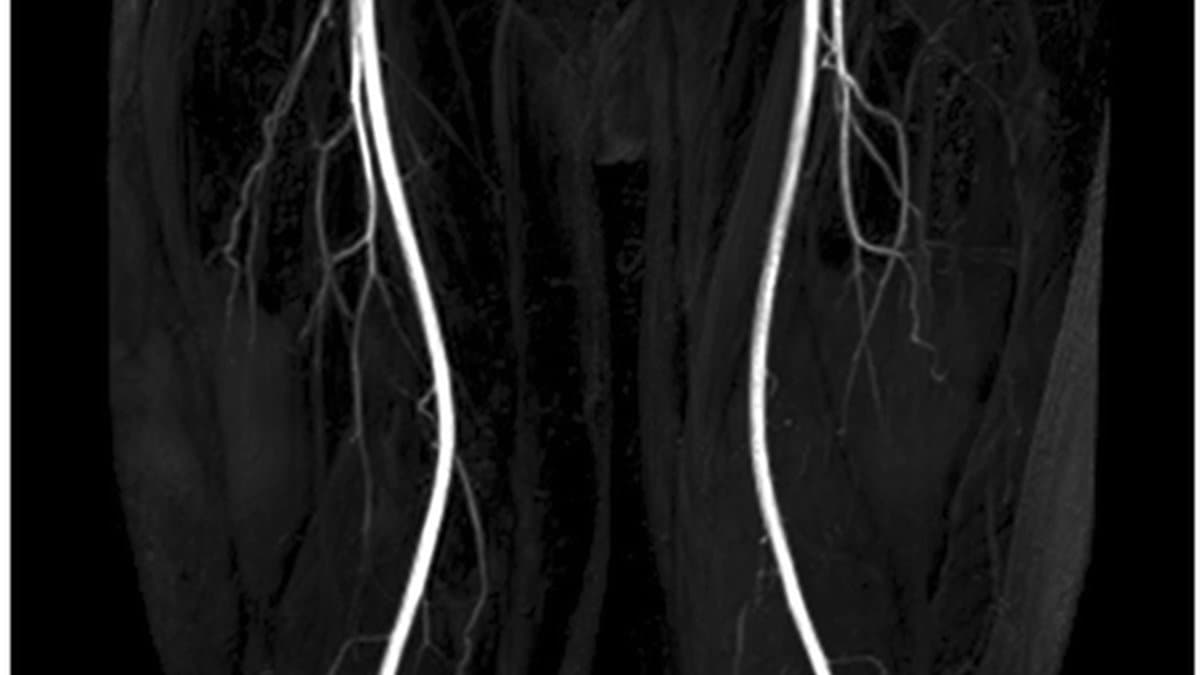
5 Warning Signs of Peripheral Artery Disease You Should Not Ignore

Warning Sign 1: Intermittent Claudication

The hallmark symptom of PAD is intermittent claudication — a predictable cramping, aching, or tired feeling in the calf, thigh, or buttock that comes on during walking and resolves within minutes of rest. It is caused by muscles receiving inadequate blood flow during exertion. The pain is reproducible: it occurs at roughly the same walking distance every time and disappears promptly with standing still. Many patients mistake this for 'normal ageing' or arthritis and delay seeking care.

Warning Sign 2: Leg Pain at Rest

As PAD progresses, patients may develop rest pain — a constant, burning or aching sensation in the feet and toes that worsens when the leg is elevated (such as lying in bed) and is partially relieved by hanging the leg down. Rest pain indicates critical limb ischaemia — a severe reduction in arterial supply — and requires urgent medical evaluation.

Warning Sign 3: Non-Healing Wounds or Ulcers

Poor circulation impairs the body's ability to heal. Ulcers on the feet, toes, or lower legs that fail to heal after two or more weeks are a serious warning sign. Unlike venous ulcers (which appear at the ankle with surrounding skin changes), arterial ulcers are typically found at the toes, heels, or pressure points. They are often painful, have a 'punched-out' appearance, and may become infected. In patients with diabetes, co-existing neuropathy can mask the pain, making regular foot inspection essential.

Warning Sign 4: Skin and Temperature Changes

Reduced blood flow to a limb produces visible and palpable changes in the skin. These include pale or bluish discolouration of the foot and toes, a limb that feels noticeably cooler than the other side, shiny or hairless skin, and thickened or discoloured toenails. These signs are most apparent when the leg is elevated and may partially resolve when the leg is lowered.

Warning Sign 5: Weak or Absent Foot Pulses

A reduced or absent pulse in the foot — detected by palpating the dorsalis pedis or posterior tibial artery — is one of the most reliable clinical signs of PAD. This is typically identified by a doctor during a physical examination. If you are at risk of PAD, ask your doctor to check your foot pulses at your next review.

Who Is at Highest Risk?

PAD shares risk factors with coronary artery disease. The following groups have the highest risk and should be screened proactively:
  • Diabetes mellitus — the strongest risk factor in Asian populations; neuropathy can mask symptoms
  • Current or ex-smokers
  • Hypertension
  • Hypercholesterolaemia
  • Adults over the age of 50
  • Chronic kidney disease
  • Personal or family history of cardiovascular disease

Diagnosing and Treating PAD

The ankle-brachial index (ABI) is the primary screening test — a simple, non-invasive measurement comparing blood pressure at the ankle and the arm. An ABI below 0.9 confirms PAD. Further imaging (duplex ultrasound, CT angiography) is used to map the location and severity of arterial disease and plan treatment. Management includes supervised exercise therapy, cardiovascular risk factor modification (statins, blood pressure control, smoking cessation, antiplatelet therapy), and for more advanced disease, peripheral angioplasty, stenting, or bypass surgery.

Frequently Asked Questions

Common Questions About 5 Warning Signs of Peripheral Artery Disease You Should Not Ignore

What does PAD leg pain feel like?

The classic symptom is intermittent claudication — a predictable cramping, aching, or tired feeling in the calf, thigh, or buttock that comes on with walking and relieves within minutes of rest. In advanced disease, pain occurs at rest, particularly in the feet and toes at night.

Can peripheral artery disease be reversed?

PAD cannot be fully reversed, but progression can be significantly slowed through intensive risk factor modification (statins, blood pressure control, smoking cessation, diabetes management) and supervised exercise therapy. For significant arterial narrowings, angioplasty and stenting can restore blood flow and relieve symptoms.

Is PAD the same as DVT?

No. PAD affects the arteries (which carry blood away from the heart to the limbs), while deep vein thrombosis (DVT) affects the veins (which return blood to the heart). Both affect circulation in the legs but have different causes, symptoms, diagnoses, and treatments.

How is PAD diagnosed in Singapore?

PAD is diagnosed with the ankle-brachial index (ABI) — a simple, non-invasive test comparing blood pressure at the ankle and arm. An ABI below 0.9 confirms PAD. Further imaging with duplex ultrasound or CT angiography maps the location and severity of arterial disease for treatment planning.

↑ Back to top

Speak to Dr. Peter Chang

Specialist assessment and personalised management at Paragon Medical Centre, Singapore. Same-week appointments available.