Heart
Bradycardia
An abnormally slow heart rate of fewer than 60 beats per minute, which can cause fainting or fatigue.
Bradycardia is a heart rate below 60 beats per minute that — when symptomatic or due to conduction disease — requires specialist evaluation and may need pacemaker implantation to maintain adequate heart function.
Book a Consultation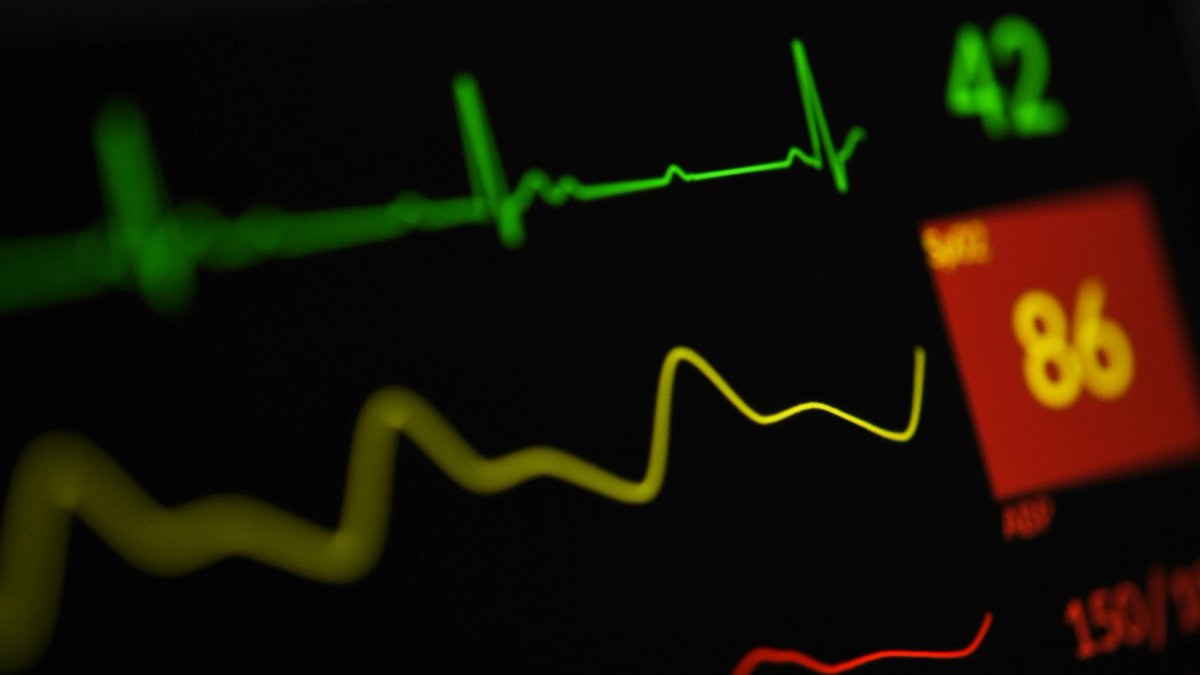
Bradycardia signifies an abnormally slow heart rate, which may fail to pump enough oxygen-rich blood to the body during exertion.
A Slow Heart Rate: When It Is Fine, and When It Isn't
Bradycardia is a resting heart rate below 60 beats per minute. On its own that number means very little. A fit adult or a regular runner often sits in the 40s or 50s, and everyone's rate falls during sleep — both are signs of an efficient heart, not a faulty one.
A slow rate becomes a medical issue in two situations: when it is caused by a fault in the heart's electrical wiring, and when it is slow enough to starve the body of blood, producing symptoms. The job is to work out which of those, if either, applies to you.
A slow rate becomes a medical issue in two situations: when it is caused by a fault in the heart's electrical wiring, and when it is slow enough to starve the body of blood, producing symptoms. The job is to work out which of those, if either, applies to you.
Where the Slowdown Comes From
The pause is usually in one of two places, or in something outside the heart altogether.
- Sinus node dysfunction — the heart's natural pacemaker tires with age, sometimes alternating slow and fast phases (tachy-brady syndrome)
- Atrioventricular (AV) block — a partial or complete break in the wiring between the upper and lower chambers; complete (third-degree) block needs a pacemaker
- Medicines — beta-blockers, some calcium channel blockers, digoxin and even certain eye drops
- Reversible causes — an underactive thyroid, electrolyte disturbances, and untreated sleep apnoea
Symptoms
Many people with a slow heart rate feel entirely normal and it is found by chance. When the rate is too slow for the body's needs, the symptoms are those of a brain and muscles running short of blood: tiredness, breathlessness, light-headedness, brief blackouts, poor concentration, and a heart rate that will not climb during exercise so you tire far sooner than expected.
- Unusual fatigue and a marked drop in exercise capacity
- Light-headedness, or a sudden faint with little or no warning
- Breathlessness on exertion
- Fuzzy thinking or low mood that improves once the rate is corrected

Diagnosis in Singapore
A resting ECG may catch the slow rate or a conduction block outright. More often we need a Holter or patch monitor to link your symptoms to a slow rate or a pause, and an exercise test to see whether the heart rate rises normally with effort.
An echocardiogram checks the heart's structure, blood tests look for a thyroid or electrolyte cause, and we review every medication you take. Occasionally an electrophysiology study is needed. This can be arranged at Paragon Medical Centre on Orchard Road.
An echocardiogram checks the heart's structure, blood tests look for a thyroid or electrolyte cause, and we review every medication you take. Occasionally an electrophysiology study is needed. This can be arranged at Paragon Medical Centre on Orchard Road.
Treatment: Fix the Cause, or Pace the Heart
If a drug or an underactive thyroid is responsible, adjusting the medication or treating the thyroid often resolves it. There is no reliable long-term tablet to speed up a genuinely slow heart.
When symptomatic bradycardia or high-grade AV block persists, a permanent pacemaker is the answer. It is a day-case procedure, the device is smaller than a matchbox, and for someone who has been fainting or exhausted the difference is dramatic. Modern options include leadless pacemakers and conduction-system pacing that preserve the heart's natural activation. We assess and follow these patients from Paragon Medical Centre.
When symptomatic bradycardia or high-grade AV block persists, a permanent pacemaker is the answer. It is a day-case procedure, the device is smaller than a matchbox, and for someone who has been fainting or exhausted the difference is dramatic. Modern options include leadless pacemakers and conduction-system pacing that preserve the heart's natural activation. We assess and follow these patients from Paragon Medical Centre.
Bradycardia: Common Questions
Concerned About Bradycardia?
Dr. Peter Chang offers specialist assessment and personalised management at Paragon Medical Centre, Singapore.